
News & Articles

Distal Humerus Fracture: Recovery and Rehabilitation
A distal humerus fracture is a break in the lower end of the upper arm bone (humerus), near the elbow joint. This type of fracture is often caused by trauma, such as falling on an outstretched arm, sports injuries, or car accidents. Distal humerus fractures can be complex due to their proximity to the elbow joint, affecting the bone, cartilage, ligaments, and surrounding muscles. Proper treatment and a well-structured physiotherapy program are essential for a full recovery, as this type of injury can significantly impact arm mobility and strength.

Understanding Dislocations vs. Subluxations
Dislocations
A dislocation occurs when the bones in a joint are forced out of their normal position. This often results from trauma, such as a fall or a sports injury. Dislocations cause severe pain, swelling, and visible deformity at the joint. The affected joint becomes immobile, and immediate medical attention is required to reposition the bones.
Subluxations
Subluxation is a partial dislocation where the bones are misaligned but not completely displaced. This condition may occur due to repetitive stress or minor trauma. Symptoms can include pain, discomfort, and a feeling of instability in the joint. Unlike complete dislocations, subluxations may not always cause noticeable deformity or require emergency care, but they still need proper management to prevent long-term issues.
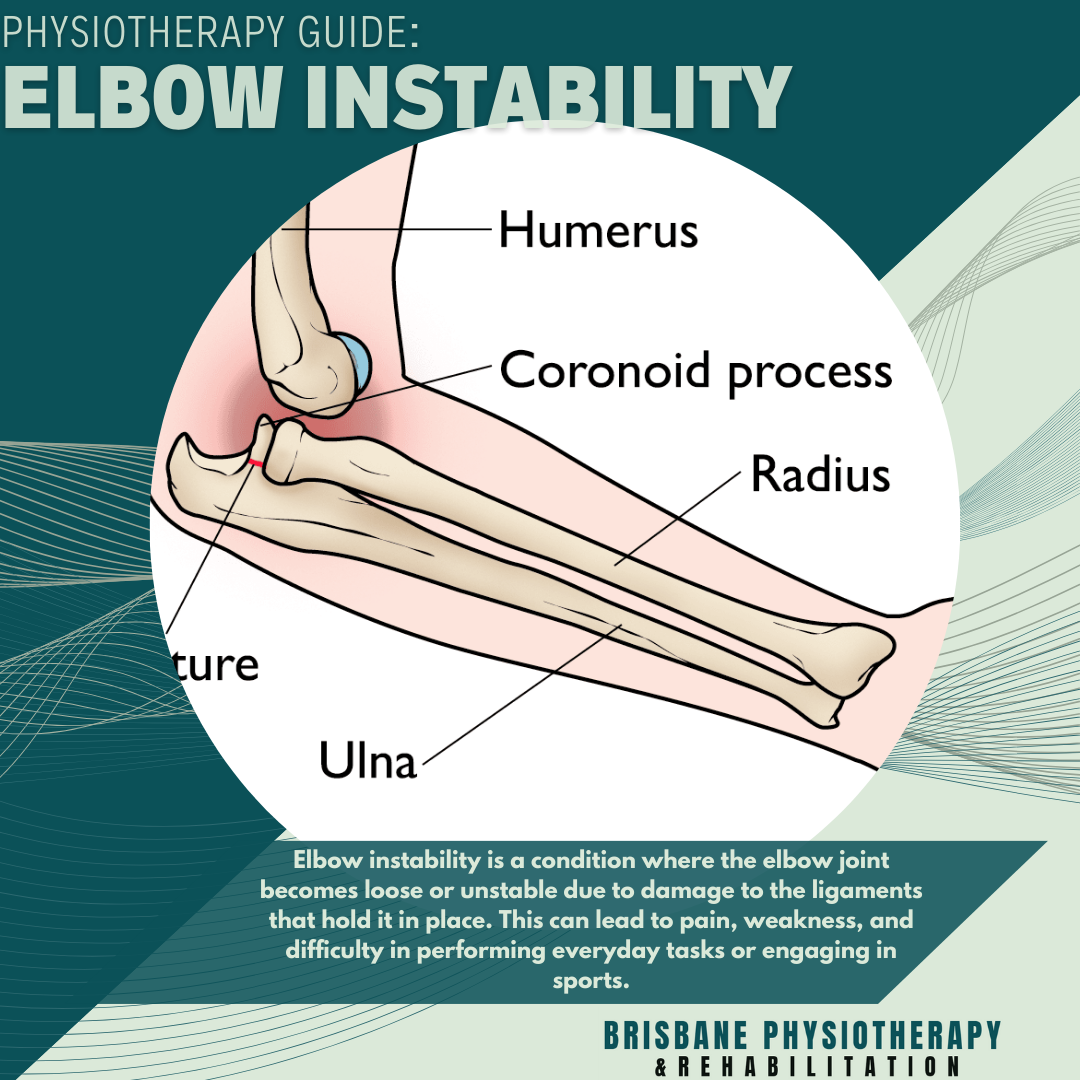
Elbow Instability: Causes, Symptoms, and Physiotherapy for Recovery
Elbow instability is a condition where the elbow joint becomes loose or unstable due to damage to the ligaments that hold it in place. This can lead to pain, weakness, and difficulty in performing everyday tasks or engaging in sports. At Brisbane Physiotherapy, we see many patients with elbow instability, especially those involved in activities that place repetitive stress on their arms. Physiotherapy plays a crucial role in treating this condition and restoring stability to the elbow joint.

Technique Series: The Lunge
Lunges are a versatile lower-body exercise that builds strength, improves balance, and increases flexibility. They target key muscle groups like the quadriceps, glutes, and hamstrings while also engaging the core for stability. When performed correctly, lunges can help with injury prevention and rehabilitation. Here’s a step-by-step guide on how to lunge safely and effectively.

Physiotherapy Guide: Vestibular Neuritis
Vestibular neuritis is an inner ear disorder caused by inflammation of the vestibular nerve, which connects the inner ear to the brain. This nerve plays a crucial role in sending balance and spatial orientation signals to the brain. When it becomes inflamed, these signals are disrupted, leading to symptoms such as sudden and severe dizziness, vertigo, nausea, vomiting, and balance problems. At Brisbane Physiotherapy, we offer specialised treatment to help manage the symptoms and promote recovery from vestibular neuritis.
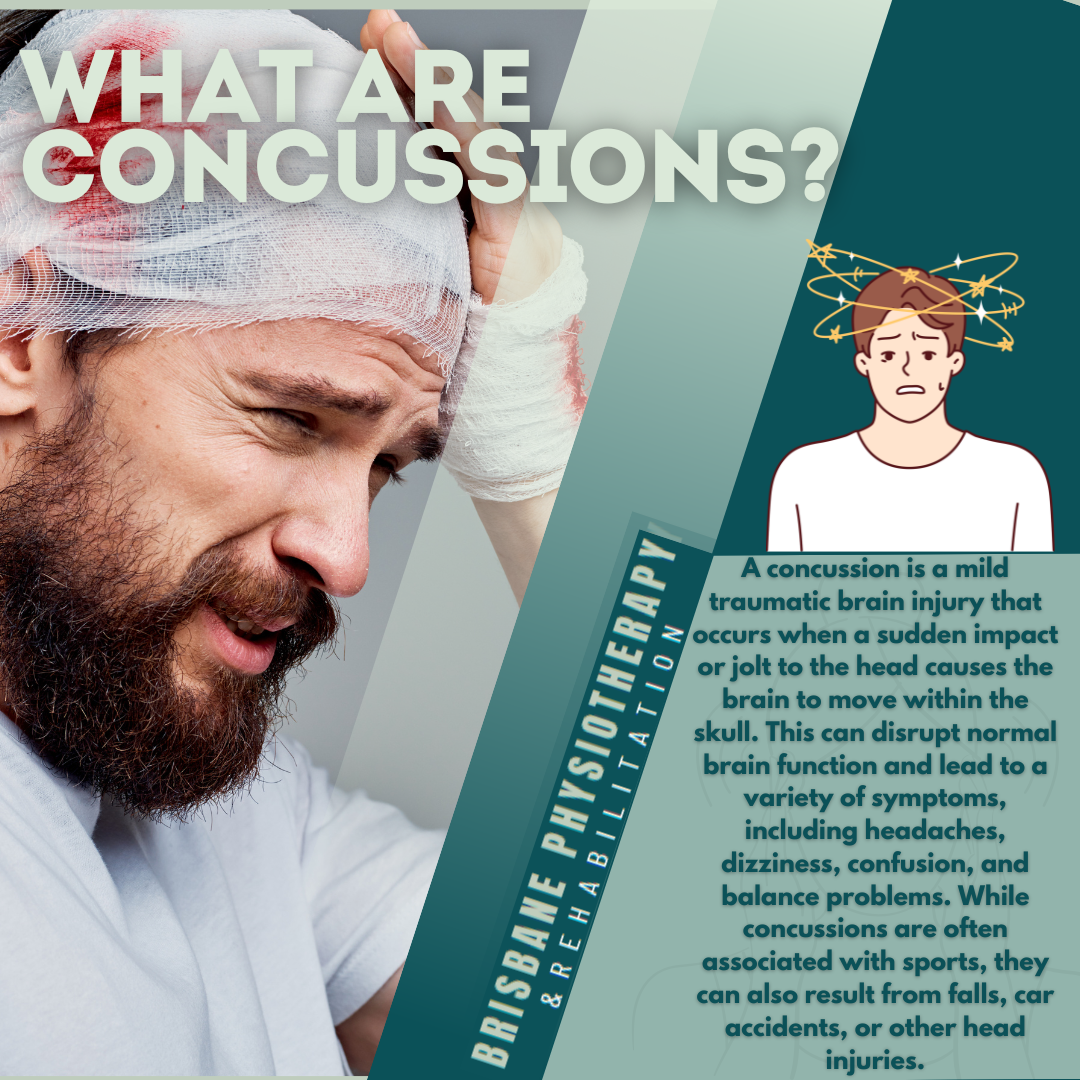
What are Concussions?
Understanding Concussion and How Physiotherapy Can Help
A concussion is a mild traumatic brain injury that occurs when a sudden impact or jolt to the head causes the brain to move within the skull. This can disrupt normal brain function and lead to a variety of symptoms, including headaches, dizziness, confusion, and balance problems. While concussions are often associated with sports, they can also result from falls, car accidents, or other head injuries. At Brisbane Physiotherapy, we provide specialised treatment to aid recovery and manage the symptoms associated with concussions.

Physiotherapy Guide: Chronic Dizziness
Chronic dizziness is a persistent feeling of unsteadiness, light-headedness, or imbalance that can significantly impact daily life. It may be accompanied by sensations of spinning (vertigo), nausea, fatigue, and concentration difficulties. Chronic dizziness can arise from various causes, including inner ear disorders, neck problems, neurological conditions, or prolonged anxiety. At Brisbane Physiotherapy, we provide expert assessment and tailored treatment plans to help alleviate symptoms and improve quality of life for those experiencing chronic dizziness.

Vestibular Rehabilitation: Regaining Balance and Reducing Dizziness
Vestibular Rehabilitation: Regaining Balance and Reducing Dizziness
Vestibular rehabilitation is a specialised form of physiotherapy designed to alleviate symptoms related to inner ear disorders, such as dizziness, vertigo, and balance issues. These symptoms often arise from problems in the vestibular system, which includes parts of the inner ear and brain that help control balance and eye movements. At Brisbane Physiotherapy, we offer comprehensive vestibular rehabilitation programs to help patients manage their symptoms, regain balance, and improve quality of life.

What is the Clavicle?
The clavicle, or collarbone, is a long, slender bone that sits horizontally at the top of the chest, connecting the arm to the body. It spans from the sternum (breastbone) in the centre of the chest to the acromion, which is the outermost point of the shoulder blade. The clavicle acts as a crucial support structure for the shoulder, enabling a wide range of arm movements while maintaining the stability of the shoulder joint. Additionally, it serves to protect important nerves and blood vessels that run underneath it, which supply the upper limb.

What is Guyon’s Canal Syndrome?
Ulnar tunnel syndrome, also known as Guyon’s canal syndrome, is a condition that affects the ulnar nerve as it passes through a small tunnel on the pinky side of the wrist. This nerve controls sensation in the ring and pinky fingers and supplies motor function to some hand muscles. When the ulnar nerve becomes compressed or irritated, it leads to pain, tingling, numbness, and weakness in the hand and fingers. Physiotherapy plays a vital role in diagnosing, managing, and rehabilitating patients with ulnar tunnel syndrome, helping them regain full function and alleviate discomfort.