
News & Articles

Acromioclavicular Joint Injuries in Rugby
Rugby is a physically demanding sport that subjects players to high-impact collisions, putting their joints, particularly the acromioclavicular (AC) joint, at significant risk. The AC joint, where the clavicle (collarbone) meets the acromion of the scapula (shoulder blade), is crucial for shoulder movement and stability. It is supported by ligaments, including the acromioclavicular and coracoclavicular ligaments. In rugby, direct trauma—often from tackles or falls onto the shoulder—can result in AC joint injury. Understanding these injuries, their management, and rehabilitation strategies is key to helping players recover and return to the game safely.

Sterno-Clavicular Joint Injuries in Rugby: The Physiotherapy Perspective on Causes, Treatment, and Prevention
Rugby is a dynamic and physically demanding sport where players are often at risk of various injuries. One injury that can sometimes go under the radar is damage to the sternoclavicular joint (SCJ), which connects the collarbone (clavicle) to the breastbone (sternum). While SCJ injuries may not be as common as others, they can be quite serious, requiring careful attention from physiotherapists for effective treatment and rehabilitation.
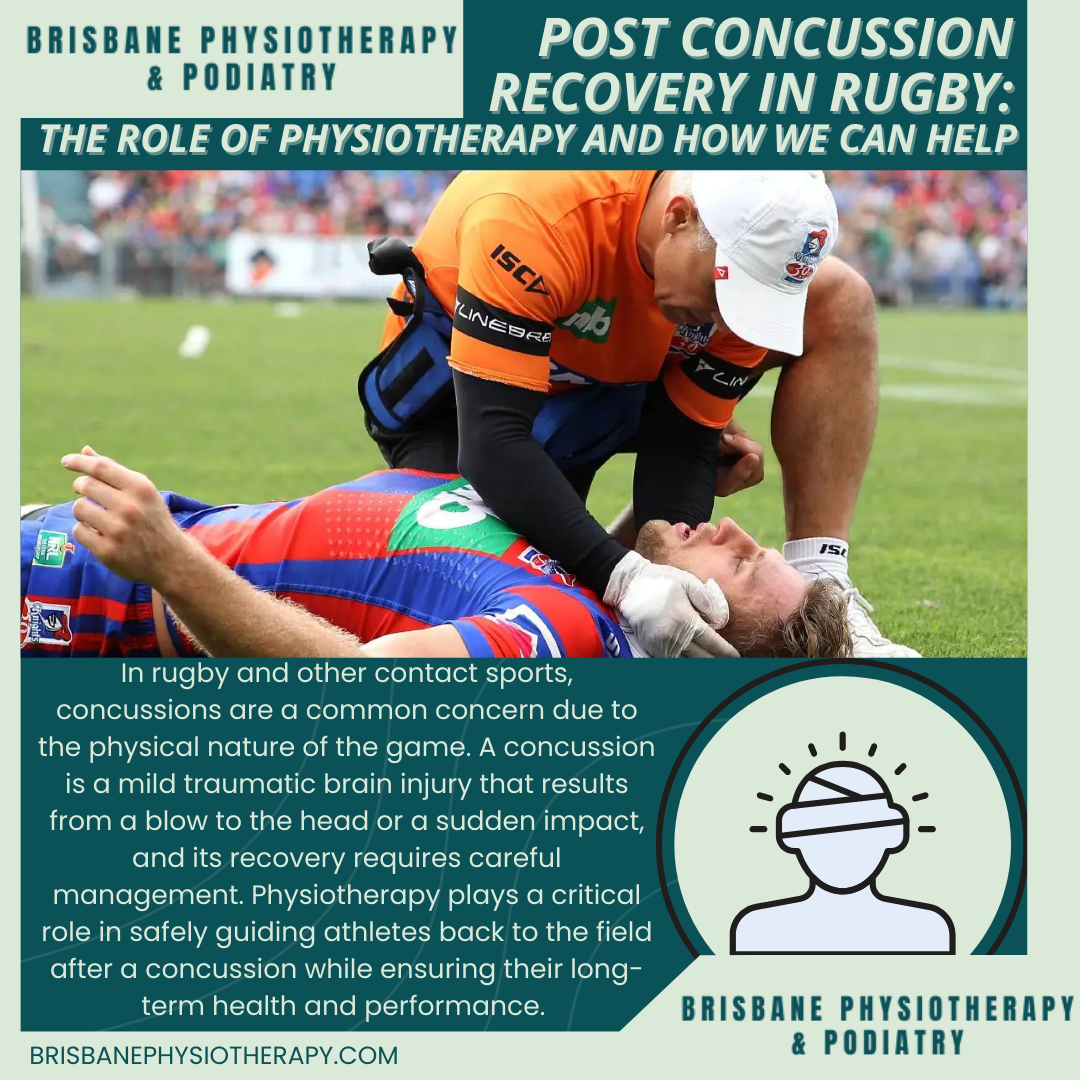
Recovery Post-Concussion in Rugby and the Role of Physiotherapy
In rugby and other contact sports, concussions are a common concern due to the physical nature of the game. A concussion is a mild traumatic brain injury that results from a blow to the head or a sudden impact, and its recovery requires careful management. Physiotherapy plays a critical role in safely guiding athletes back to the field after a concussion while ensuring their long-term health and performance.

Neck Injuries in Rugby: A Physiotherapist's Perspective on Causes, Treatment, and Prevention
Rugby is an intense, high-contact sport that places players at risk for a range of injuries, with neck injuries being among the most serious. As a physiotherapist, understanding the causes, treatment, and prevention of neck injuries is essential for keeping players safe and ensuring a speedy recovery when injuries do occur.

Physiotherapy Approach to Femoral Stress Fractures: Causes, Symptoms, and Recovery
A femoral stress fracture is a small crack in the femur caused by repetitive stress. These injuries are common among athletes, military personnel, and individuals engaged in high-impact activities. Physiotherapy plays a vital role in recovery by promoting healing, restoring function, and preventing recurrence.

Achilles Pain from Cycling
Aching or tightness in the back of your ankle during or after a ride isn’t something to ignore. While cycling is generally low-impact, Achilles tendon pain can sneak up on even the most experienced riders—especially with small changes in training or equipment. Whether you’re commuting, training for an event, or just enjoying weekend rides, understanding why this happens (and how to fix it) can help you stay pain-free and keep the wheels turning.

Thoracic Mobility Exercises for Cyclists
Cyclists often focus on leg strength, cadence, and endurance—but one crucial area that’s often overlooked is thoracic mobility. The thoracic spine, or mid-back, plays a vital role in posture, breathing efficiency, and upper body comfort during long rides. When this area becomes stiff, it can lead to neck pain, shoulder tightness, and even lower back discomfort. Incorporating thoracic mobility work into your routine can improve riding posture and reduce the risk of overuse injuries.
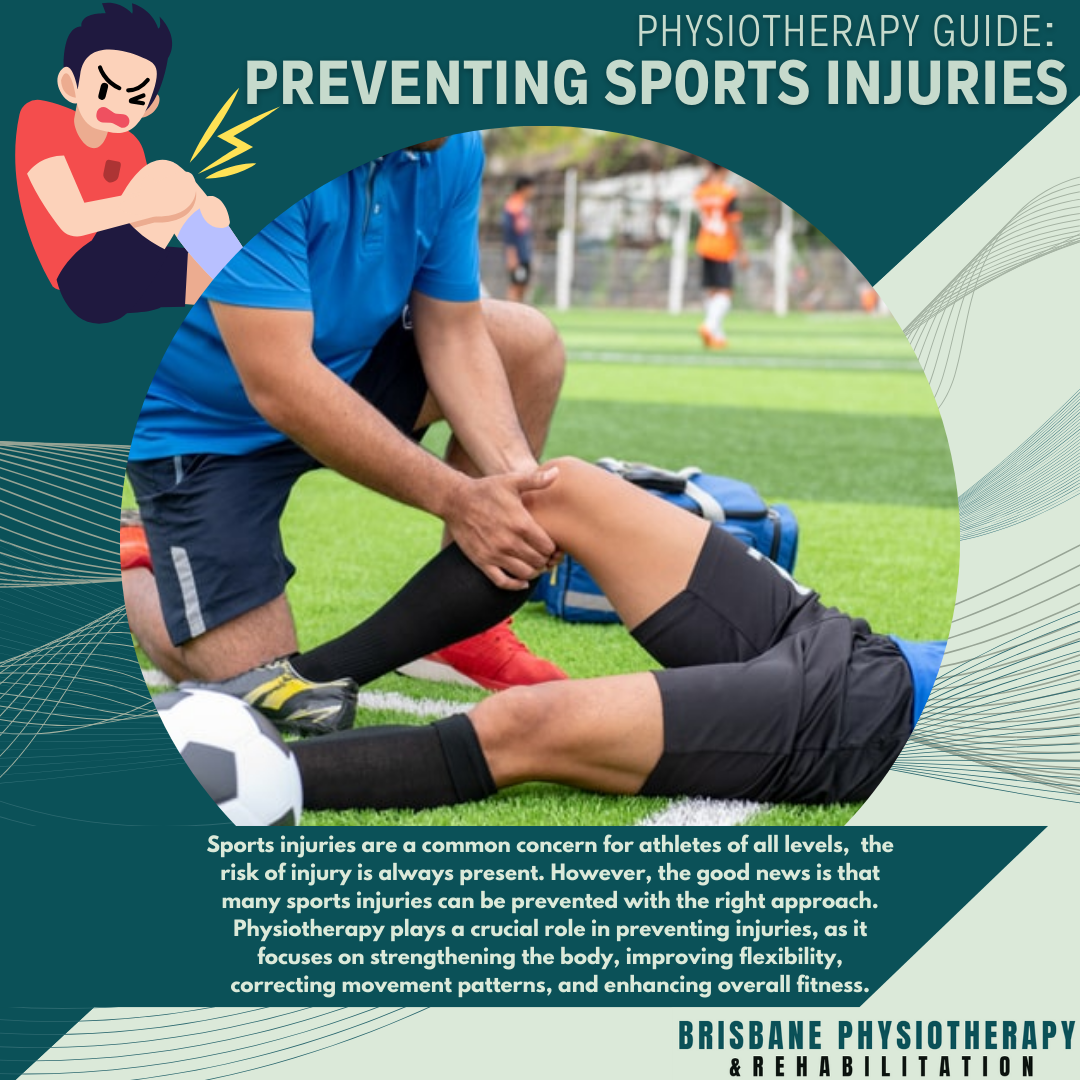
Physiotherapy Guide: Preventing Sports Injuries
Sports injuries are a common concern for athletes of all levels. Whether you’re a professional competitor or a weekend warrior, the risk of injury is always present. However, the good news is that many sports injuries can be prevented with the right approach. Physiotherapy plays a crucial role in preventing injuries, as it focuses on strengthening the body, improving flexibility, correcting movement patterns, and enhancing overall fitness. Here are key tips on how physiotherapy can help you prevent sports injuries and keep you performing at your best.
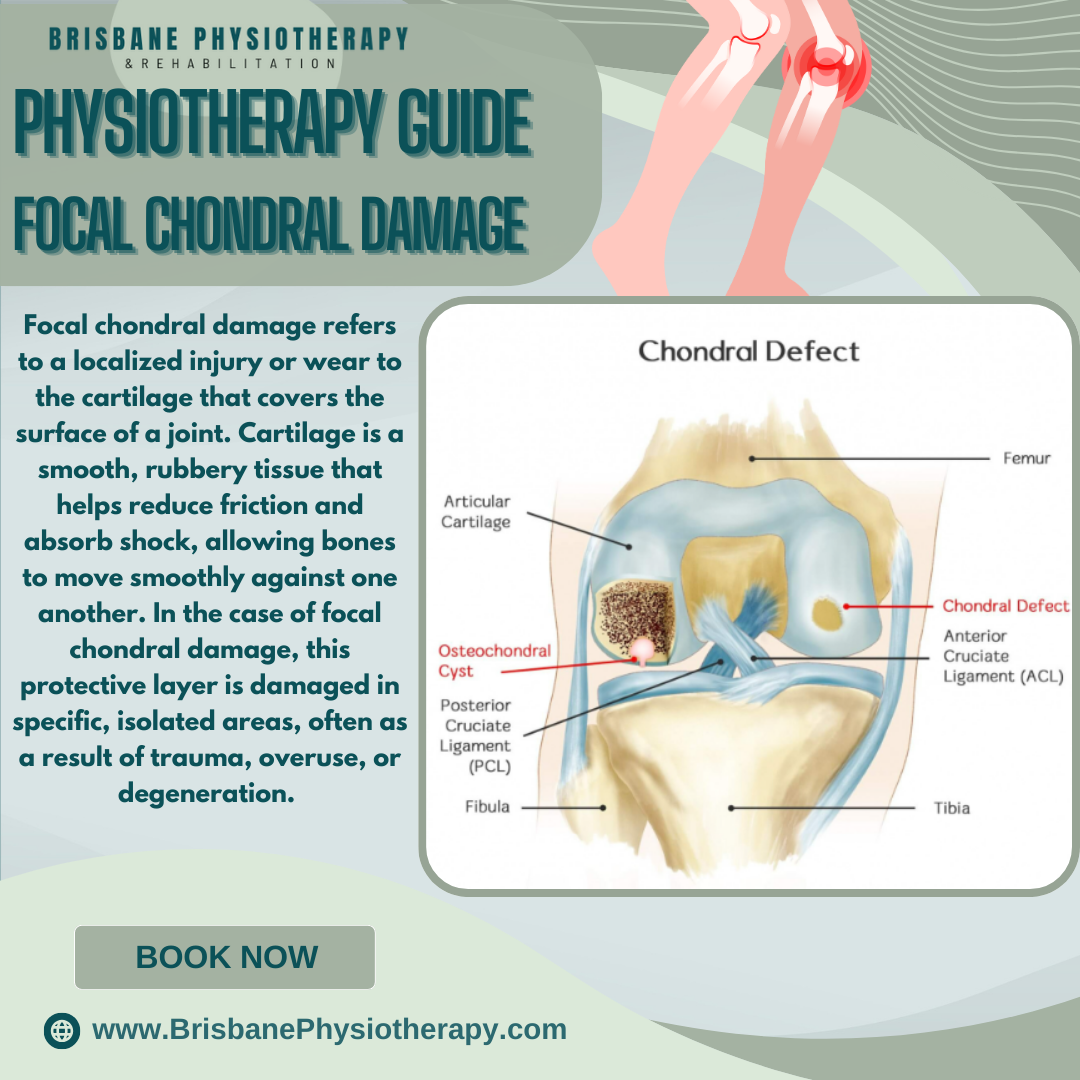
Physiotherapy Guide: Focal Chondral Damage
Focal chondral damage refers to a localized injury or wear to the cartilage that covers the surface of a joint. Cartilage is a smooth, rubbery tissue that helps reduce friction and absorb shock, allowing bones to move smoothly against one another. In the case of focal chondral damage, this protective layer is damaged in specific, isolated areas, often as a result of trauma, overuse, or degeneration. While it can affect various joints, the knee and shoulder are particularly vulnerable. Although cartilage doesn't heal easily due to its limited blood supply, physiotherapy plays a crucial role in managing the condition and aiding recovery.
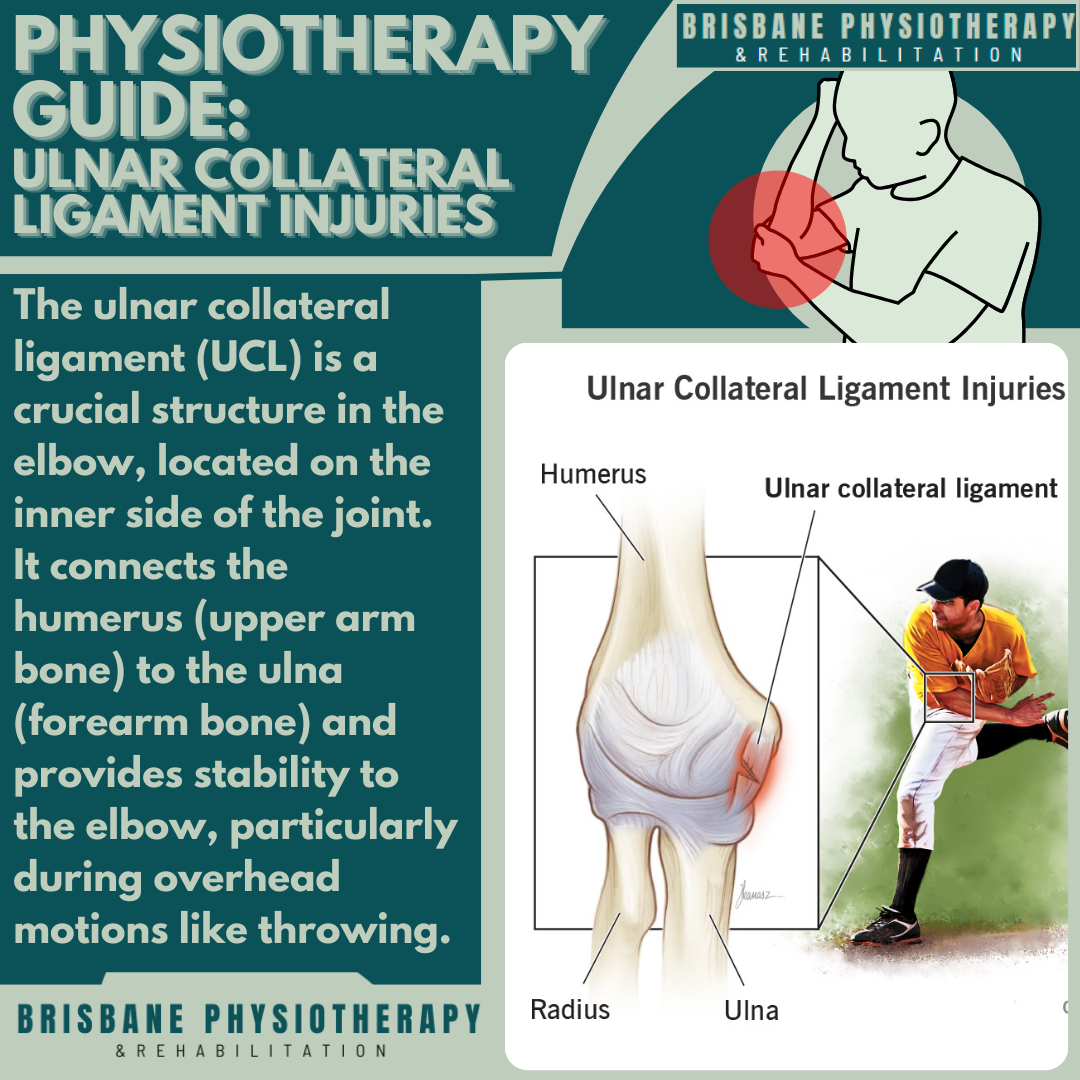
Ulnar Collateral Ligament
The ulnar collateral ligament (UCL) is a key stabilising structure in the elbow, running along the inside of the joint. It plays a crucial role in maintaining stability during activities that involve throwing or overhead motions, making it particularly important for athletes in sports like baseball, cricket, and tennis. Injuries to the UCL are common, particularly in athletes who repeatedly stress the elbow during high-intensity movements. Understanding UCL injuries and how a physiotherapist can help in the recovery process is essential for a successful return to sport and daily activities.