Acromioclavicular Joint

The AC joint / acromioclavicular joint plays a crucial role in the function of your shoulder, connecting the acromion (a part of the scapula, or shoulder blade) to the clavicle (collarbone). While small, this joint is involved in many of the movements we take for granted, from lifting your arm to throwing a ball or simply reaching overhead. Injuries to the AC joint can cause significant pain and limit movement, which can be frustrating and hinder your daily activities. Fortunately, physiotherapists are well-equipped to treat AC joint injuries, helping you regain mobility and strength in your shoulder.
What is the AC Joint / Acromioclavicular Joint?
The AC joint is a small but vital joint in the shoulder region that connects the acromion, which is part of the scapula, to the clavicle. This joint allows the shoulder to move in multiple directions, contributing to the overall flexibility and range of motion of the arm. It is essential for overhead movements, such as lifting, throwing, and pushing. To effectively manage AC joint sprains, it's crucial to understand their anatomy and how they develop.
Anatomy of the AC Joint
The AC joint comprises several key components:
Clavicle (Collarbone): This S-shaped bone extends horizontally across the front of the chest, connecting the sternum (breastbone) to the scapula (shoulder blade).
Acromion: The highest point of the scapula, the acromion forms the other half of the AC joint.
Articular Cartilage: A smooth, protective layer covers the ends of the clavicle and acromion where they meet in the joint, allowing for frictionless movement.
Ligaments: Strong bands of connective tissue, including the acromioclavicular ligament and the coracoclavicular ligaments, provide stability to the joint.
Despite its small size, the AC joint is susceptible to injury, especially during physical activities that involve overhead movements or when subjected to trauma like falls, sports injuries, or repetitive use.
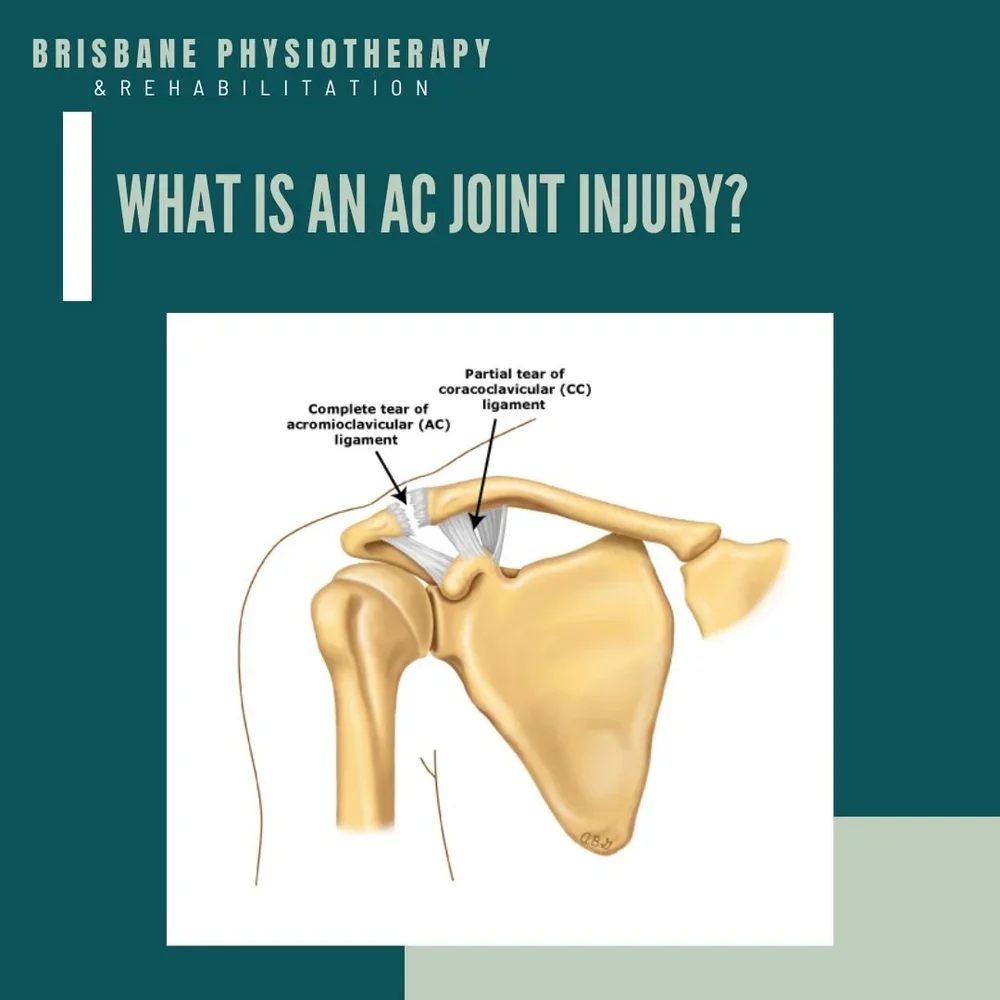
What is an AC Joint Injury?
AC joint sprains / acromioclavicular joint sprains, often referred to as shoulder separations, are injuries that occur at the joint where the collarbone (clavicle) meets the highest point of the shoulder blade (acromion). These injuries can range from mild to severe and are typically the result of trauma or direct impact to the shoulder.
Development of AC Joint Sprains
AC joint sprains typically occur due to:
Direct Trauma: Falls, sports injuries, or accidents that impact the shoulder can lead to ligament sprains or tears in the AC joint.
Grading of AC Joint Sprains
AC joint sprains are often classified into three grades based on the severity of the injury:
Grade I: Mild sprain with minimal ligament damage. The joint remains stable.
Grade II: Moderate sprain with partial ligament tearing. The joint may be slightly displaced.
Grade III: Severe sprain with complete ligament tearing. The joint is significantly displaced.
Common Causes of AC Joint Injuries
Injuries to the AC joint are commonly seen in sports, especially contact sports like rugby, hockey, or football, but they can also occur in everyday life. Some of the most common causes of AC joint injuries include:
Direct Trauma: A fall onto an outstretched arm or directly onto the shoulder can result in an injury to the AC joint. This is often the cause of AC joint sprains or separations.
Repetitive Overhead Movements: Activities such as swimming, weightlifting, or throwing motions can place stress on the AC joint, leading to wear and tear, which can result in conditions like arthritis in the joint.
Arthritis: Over time, wear and tear in the AC joint can lead to osteoarthritis, causing pain, swelling, and stiffness, particularly with movements involving the arm.
AC Joint Sprains: These occur when the ligaments that connect the acromion and clavicle are overstretched or torn, often as a result of trauma or a sudden, forceful movement.
Signs & Symptoms of an AC Joint Injury
AC joint injuries can present with a range of symptoms depending on the severity of the injury. Common signs and symptoms of AC joint sprains include:
Pain: Typically localized at the top of the shoulder, which may worsen with overhead movements or lifting the arm. Limited range of motion or difficulty moving the shoulder.
Tenderness: The area around the AC joint can become tender to the touch, especially when pressing on the AC joint.
Swelling: Swelling or bruising around the AC joint, particularly if the injury is traumatic.
Instability: In severe cases (Grade III), the joint may feel unstable, and there may be a noticeable "bump" or deformity on the shoulder or in the collarbone area, which may occur in severe separations.
How Physiotherapists Can Help with AC Joint Sprains & Injuries?
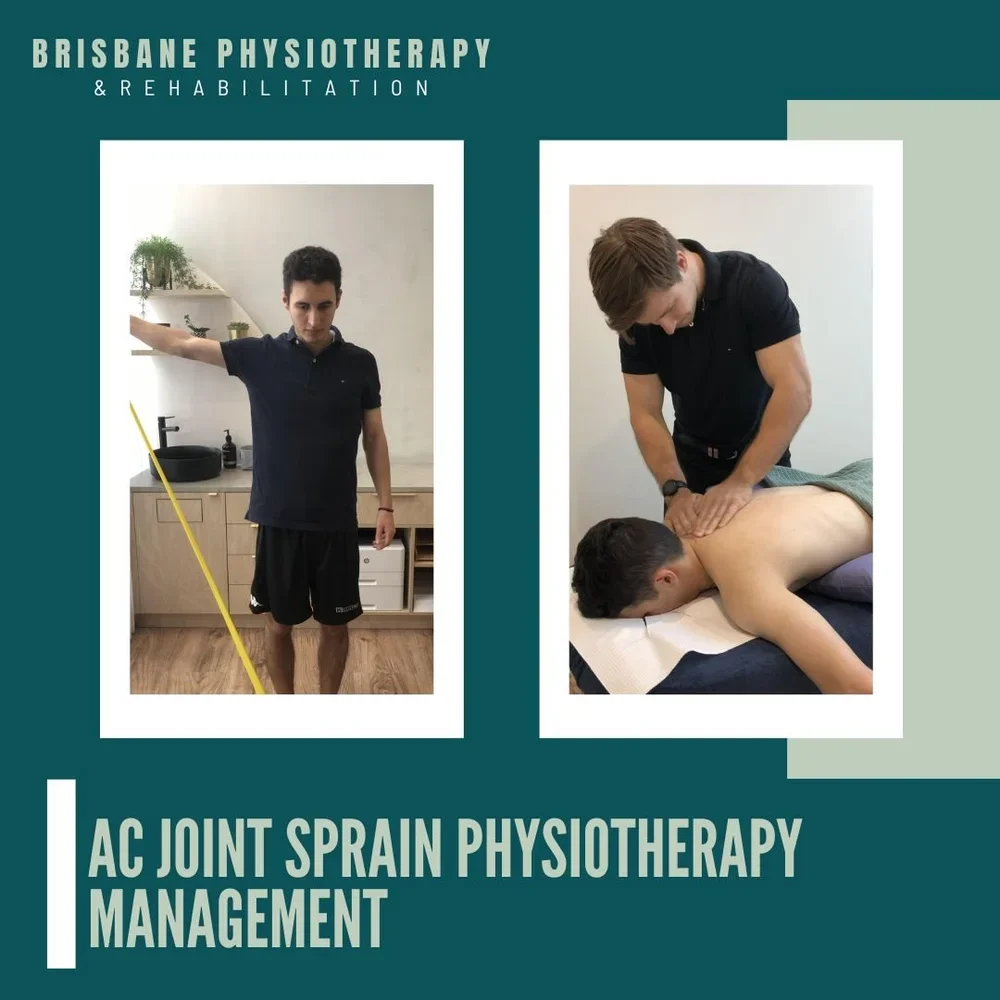
If you're suffering from an AC joint sprain or AC joint injury, a physiotherapist can help you manage pain, restore movement, and strengthen the surrounding muscles to prevent further damage. Here's how they can assist:
Management Strategies
Accurate Diagnosis and Assessment: A physiotherapist will start by assessing the severity of the injury through a physical examination and may use imaging tests like X-rays to determine the extent of the damage. They will then create a tailored treatment plan based on your specific needs.
Pain Management:
Physiotherapists use various techniques to manage pain associated with AC joint injuries. These may include modalities like ice or heat therapy, ultrasound, or TENS (transcutaneous electrical nerve stimulation) to reduce inflammation and ease discomfort.
Over-the-counter pain relievers like ibuprofen or prescribed medications may be used to manage pain and inflammation. Always follow dosage instructions and consult your healthcare provider before starting any medication.
Rest and Immobilization: In cases of Grade II or III sprains, wearing a sling or brace may be recommended to immobilize the shoulder and promote healing. The duration depends on the severity of the injury.
Ice Therapy: Applying a cold compress or ice pack to the injured area can help reduce pain and swelling. Use it for 15-20 minutes at a time, several times a day.
Gentle Mobilisation and Stretching: After an injury, it’s important to gently restore the joint’s mobility. A physiotherapist will guide you through specific exercises designed to stretch and mobilise the joint without causing further strain. This helps improve range of motion, prevent stiffness in the shoulder and regain shoulder mobility without exacerbating symptoms.
Strengthening Exercises: Once the pain has subsided, a physiotherapist will help strengthen the muscles around the shoulder joint, such as the rotator cuff and scapular stabilisers. Strengthening these muscles can help take the load off the AC joint, reduce the risk of future injury, and improve shoulder stability.
Corticosteroid Injections: In some cases, a healthcare provider may recommend corticosteroid injections into the AC joint to reduce inflammation and pain. This is typically considered for severe or persistent cases.
Posture and Movement Training: Poor posture or faulty movement patterns can contribute to AC joint pain. Physiotherapists can teach you proper posture and body mechanics to reduce strain on the shoulder. They may also recommend you modify or avoid activities that exacerbate symptoms, especially those that involve overhead arm movements, direct pressure on the AC joint or overload the joint.
Gradual Return to Activity: As your condition improves, physiotherapists will guide you through a gradual return to your normal activities, ensuring you don’t push your body too hard too soon. This helps prevent re-injury and allows for a full recovery.
Lifestyle Modifications:
Pay attention to posture and ergonomics in daily activities to minimize stress on the injured shoulder.
Ensure your work or daily environment is adapted to support your recovery.
Follow-Up and Monitoring:
Regular follow-up appointments with a healthcare provider or physical therapist are crucial to assess the sprain's progress and adjust the treatment plan as needed.
Surgical Intervention:
In cases of severe Grade III sprains or those that do not respond to conservative treatments, surgery may be considered to repair or reconstruct the damaged ligaments.
Final Thoughts
Injuries to the AC joint, whether from trauma, overuse, or age-related wear, can significantly affect shoulder function and limit daily activities. Fortunately, with the help of a skilled physiotherapist, recovery is possible. Through targeted exercises, manual therapy, pain management, and education, a physiotherapist can help you regain mobility and strength, while preventing future injuries. If you suspect you’ve injured your AC joint, it’s important to seek professional care to ensure a timely recovery and avoid long-term complications.
Continue reading about Acromioclavicular Joint Injuries in Rugby.