
News & Articles
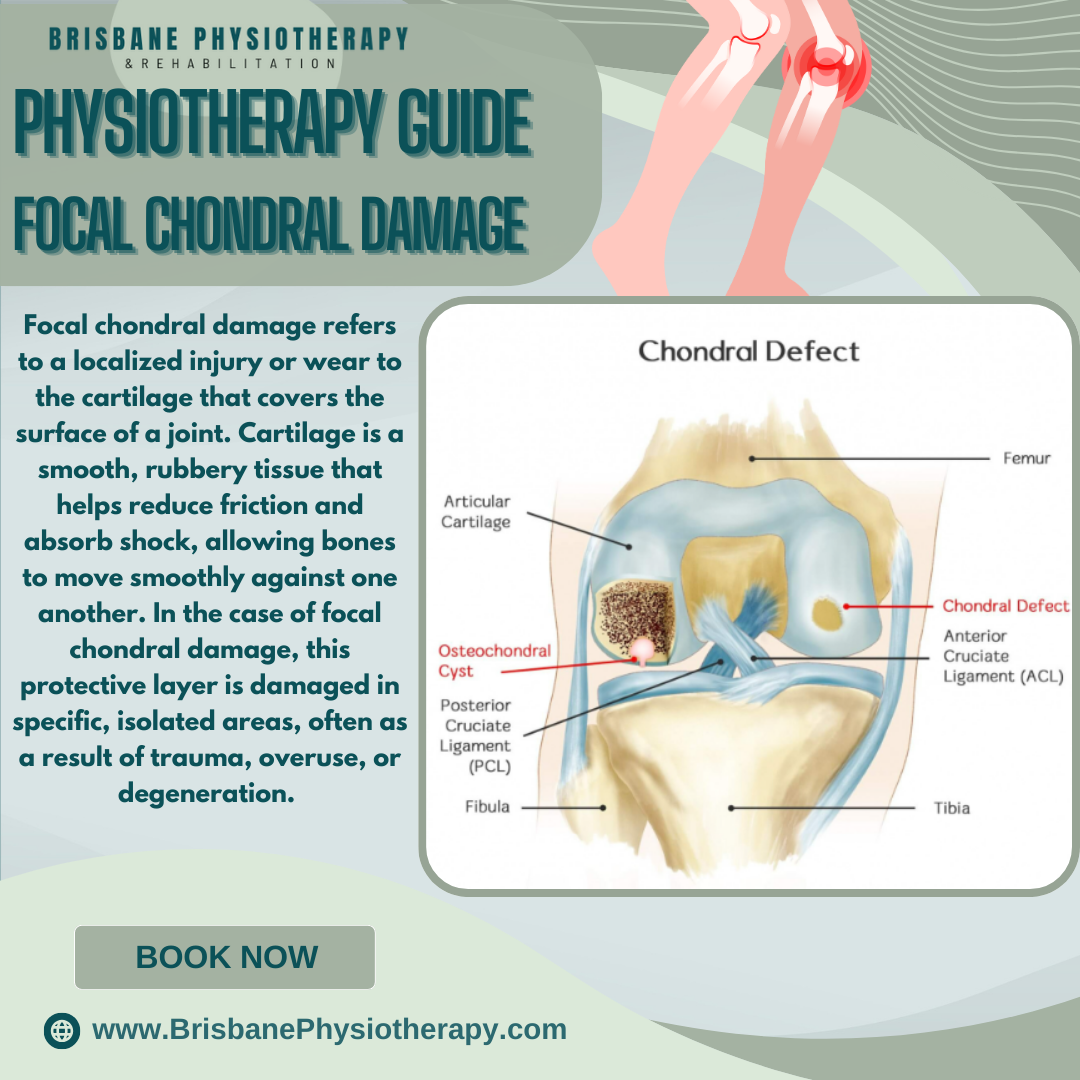
Physiotherapy Guide: Focal Chondral Damage
Focal chondral damage refers to a localized injury or wear to the cartilage that covers the surface of a joint. Cartilage is a smooth, rubbery tissue that helps reduce friction and absorb shock, allowing bones to move smoothly against one another. In the case of focal chondral damage, this protective layer is damaged in specific, isolated areas, often as a result of trauma, overuse, or degeneration. While it can affect various joints, the knee and shoulder are particularly vulnerable. Although cartilage doesn't heal easily due to its limited blood supply, physiotherapy plays a crucial role in managing the condition and aiding recovery.
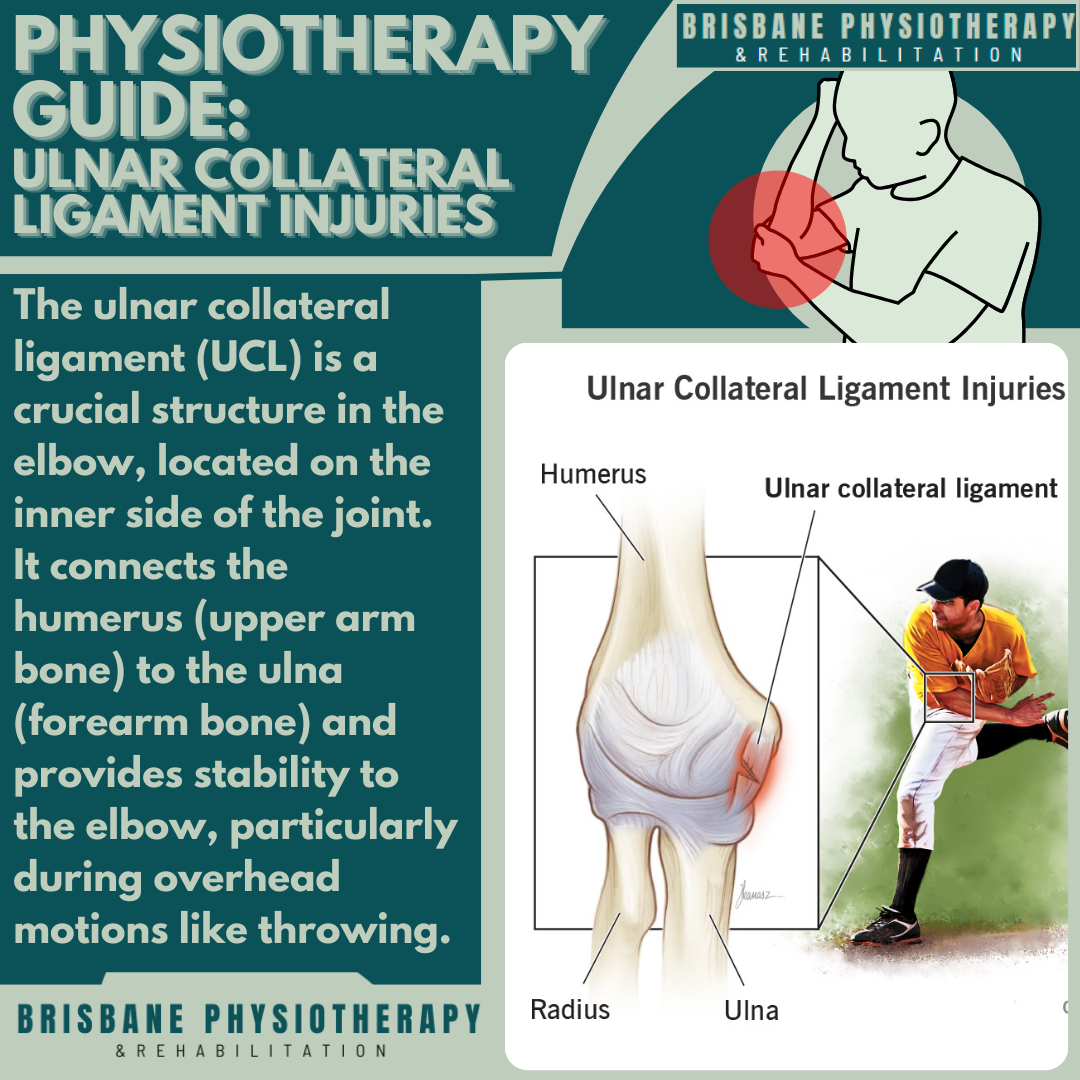
Ulnar Collateral Ligament
The ulnar collateral ligament (UCL) is a key stabilising structure in the elbow, running along the inside of the joint. It plays a crucial role in maintaining stability during activities that involve throwing or overhead motions, making it particularly important for athletes in sports like baseball, cricket, and tennis. Injuries to the UCL are common, particularly in athletes who repeatedly stress the elbow during high-intensity movements. Understanding UCL injuries and how a physiotherapist can help in the recovery process is essential for a successful return to sport and daily activities.
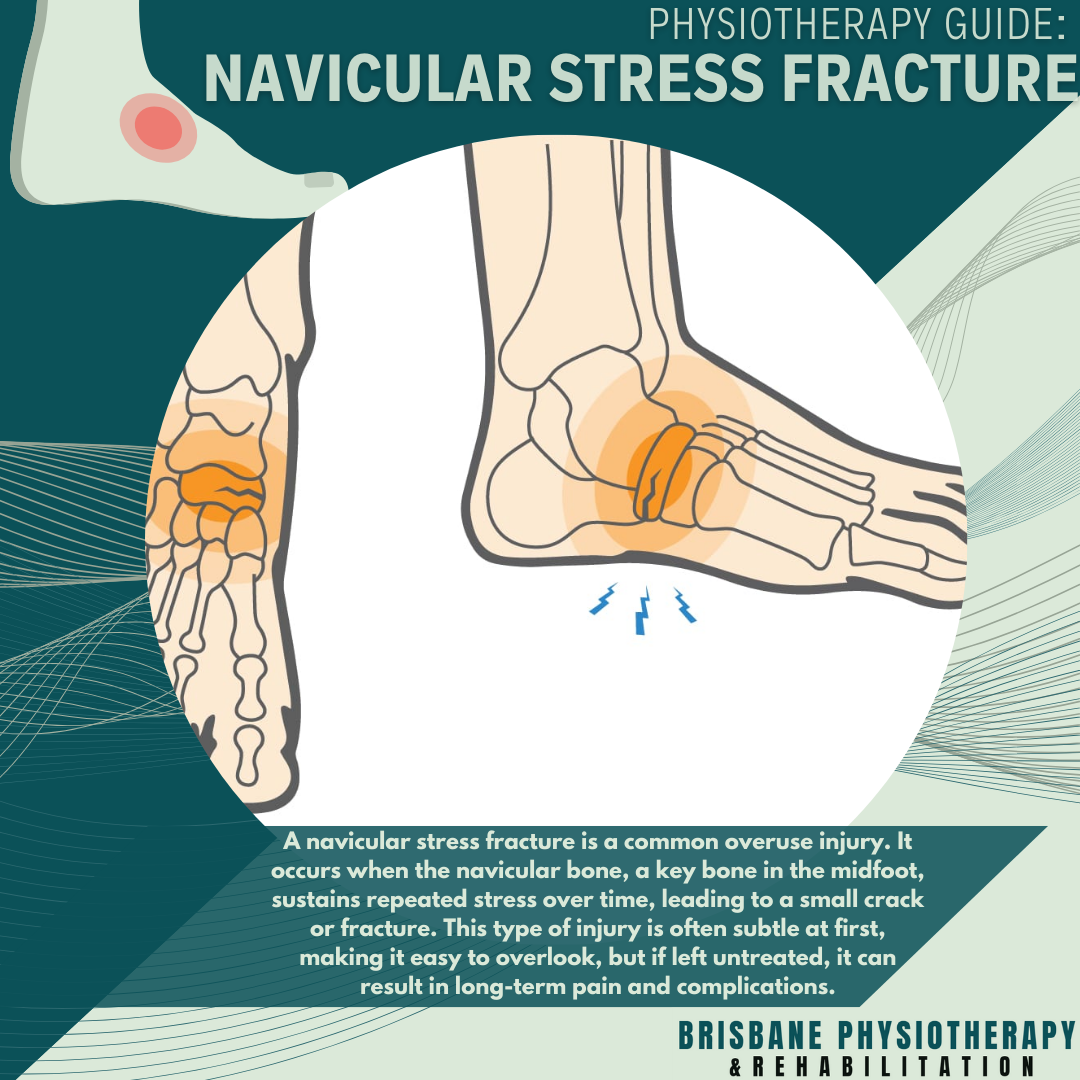
Navicular Stress Fractures and How Your Physiotherapist Can Help
A navicular stress fracture is a common overuse injury, particularly in athletes and active individuals. It occurs when the navicular bone, a key bone in the midfoot, sustains repeated stress over time, leading to a small crack or fracture. This type of injury is often subtle at first, making it easy to overlook, but if left untreated, it can result in long-term pain and complications. Understanding how a physiotherapist can assist in the recovery process is crucial for anyone dealing with a navicular stress fracture.
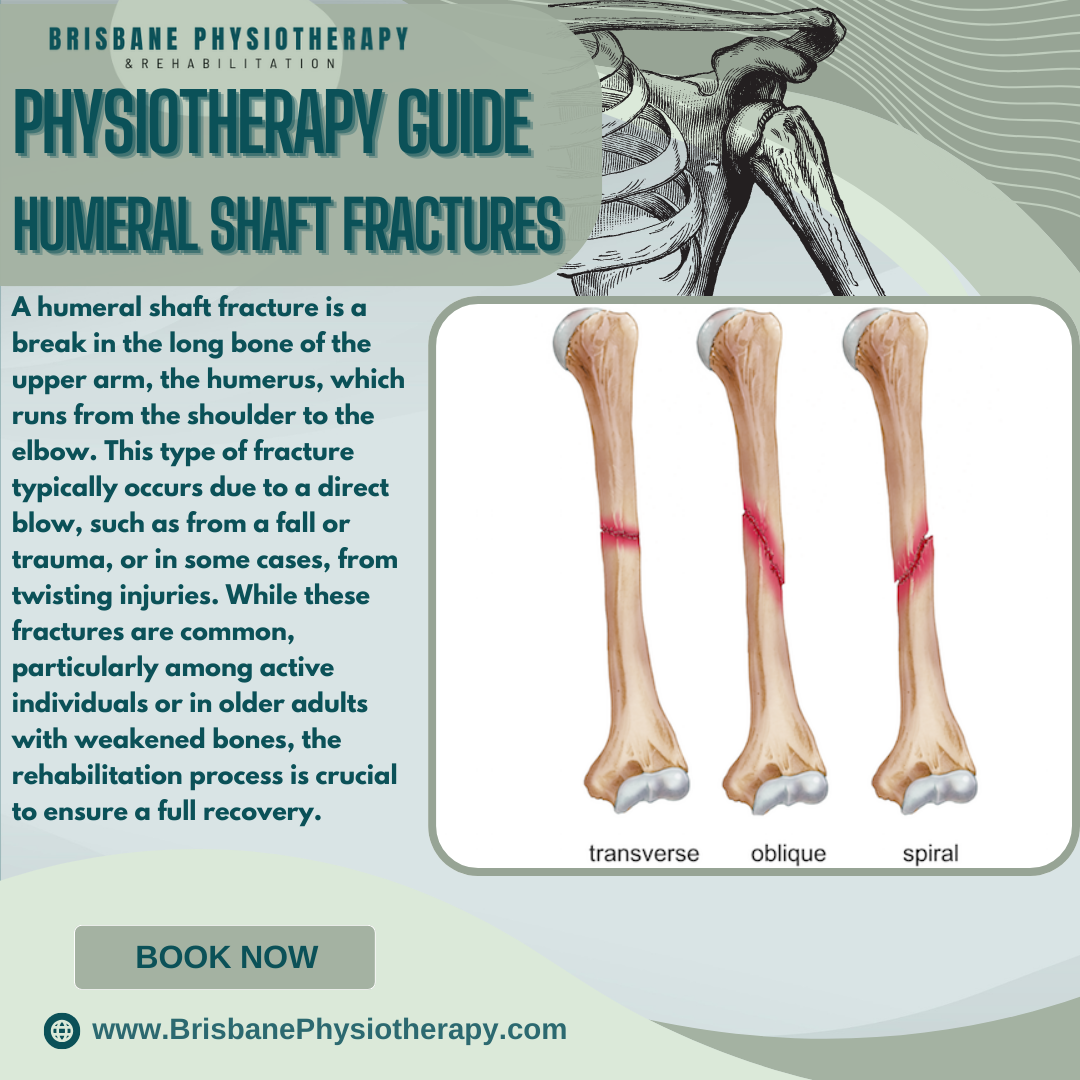
Physiotherapy Guide: Humeral Shaft Fractures
A humeral shaft fracture is a break in the long bone of the upper arm, the humerus, which runs from the shoulder to the elbow. This type of fracture typically occurs due to a direct blow, such as from a fall or trauma, or in some cases, from twisting injuries. While these fractures are common, particularly among active individuals or in older adults with weakened bones, the rehabilitation process is crucial to ensure a full recovery.
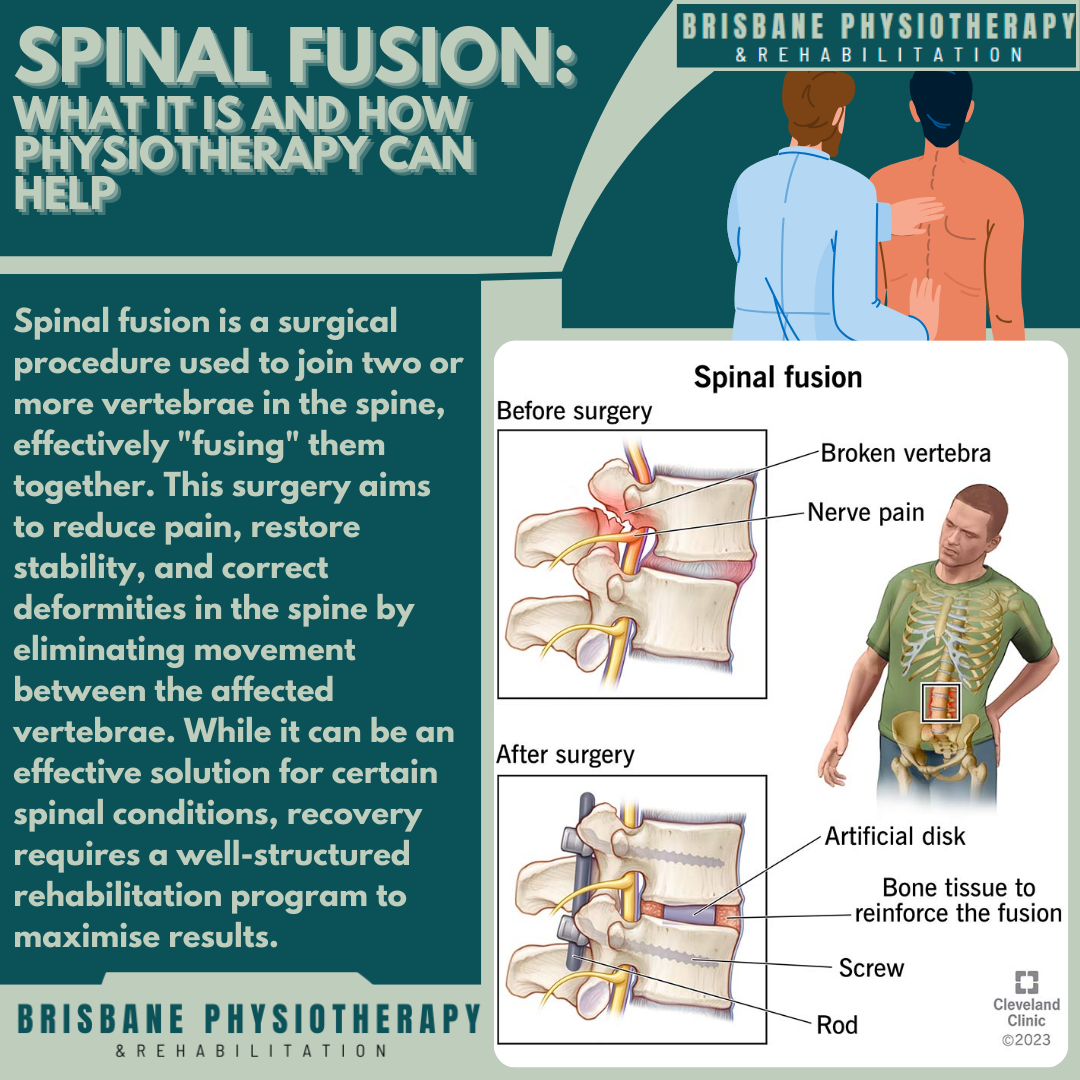
Spinal Fusion: What is it and how Physiotherapy can help
Spinal fusion is a surgical procedure used to join two or more vertebrae in the spine, effectively "fusing" them together. This surgery aims to reduce pain, restore stability, and correct deformities in the spine by eliminating movement between the affected vertebrae. While it can be an effective solution for certain spinal conditions, recovery requires a well-structured rehabilitation program to maximise results. At Brisbane Physiotherapy, we provide comprehensive physiotherapy care to support your recovery following spinal fusion surgery.
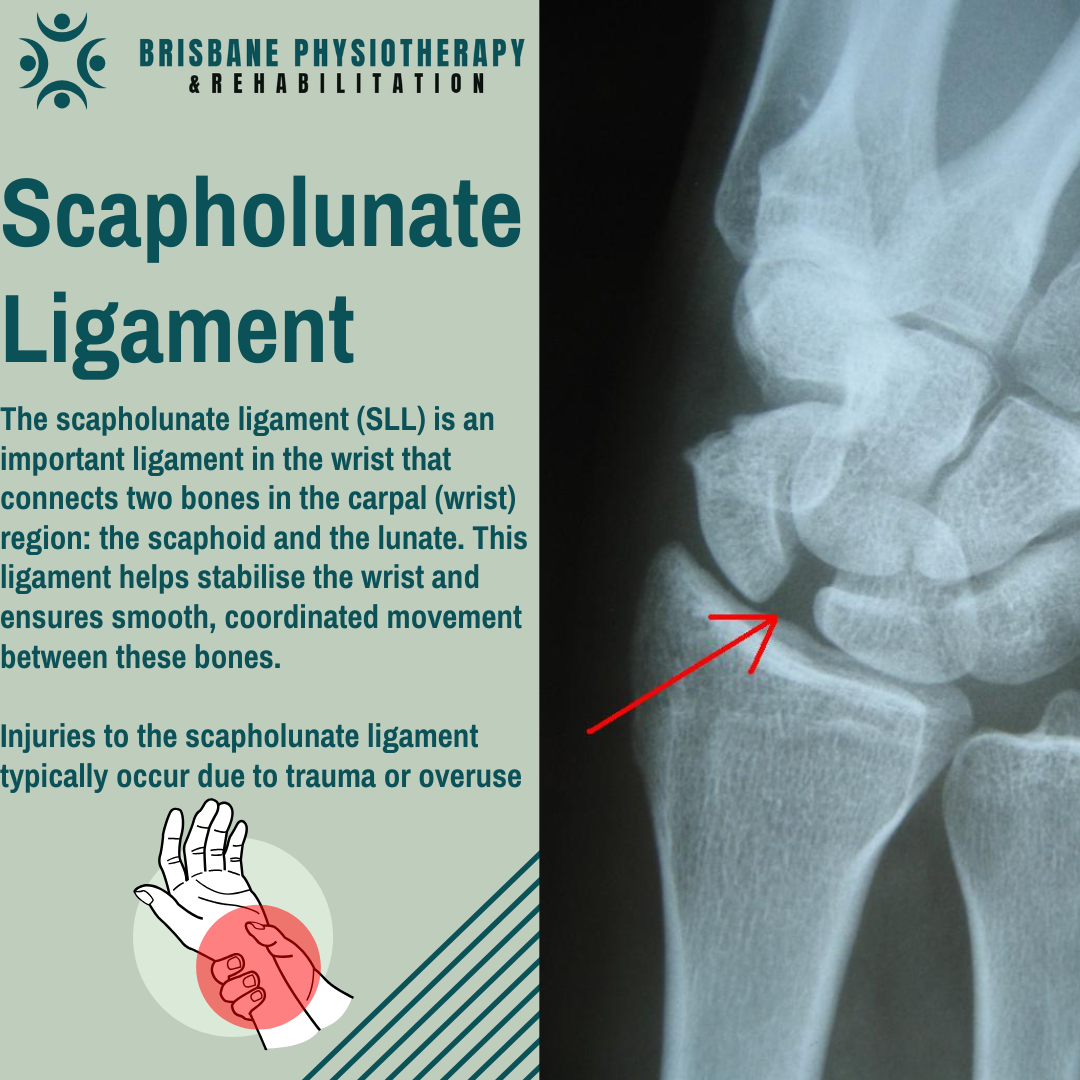
Scapholunate Ligament Injuries: Physiotherapy Guide
Scapholunate ligament injuries are a common source of wrist pain and dysfunction, particularly for those who engage in repetitive or high-impact activities. The scapholunate ligament is a crucial stabiliser in the wrist joint, connecting the scaphoid and lunate bones, which work together to allow for proper wrist function. When this ligament is injured, it can result in significant pain, instability, and impaired movement, which can affect a person’s ability to perform even the most basic daily tasks. Understanding how these injuries occur, their symptoms, and how physiotherapy can aid in recovery is key to managing this condition effectively.
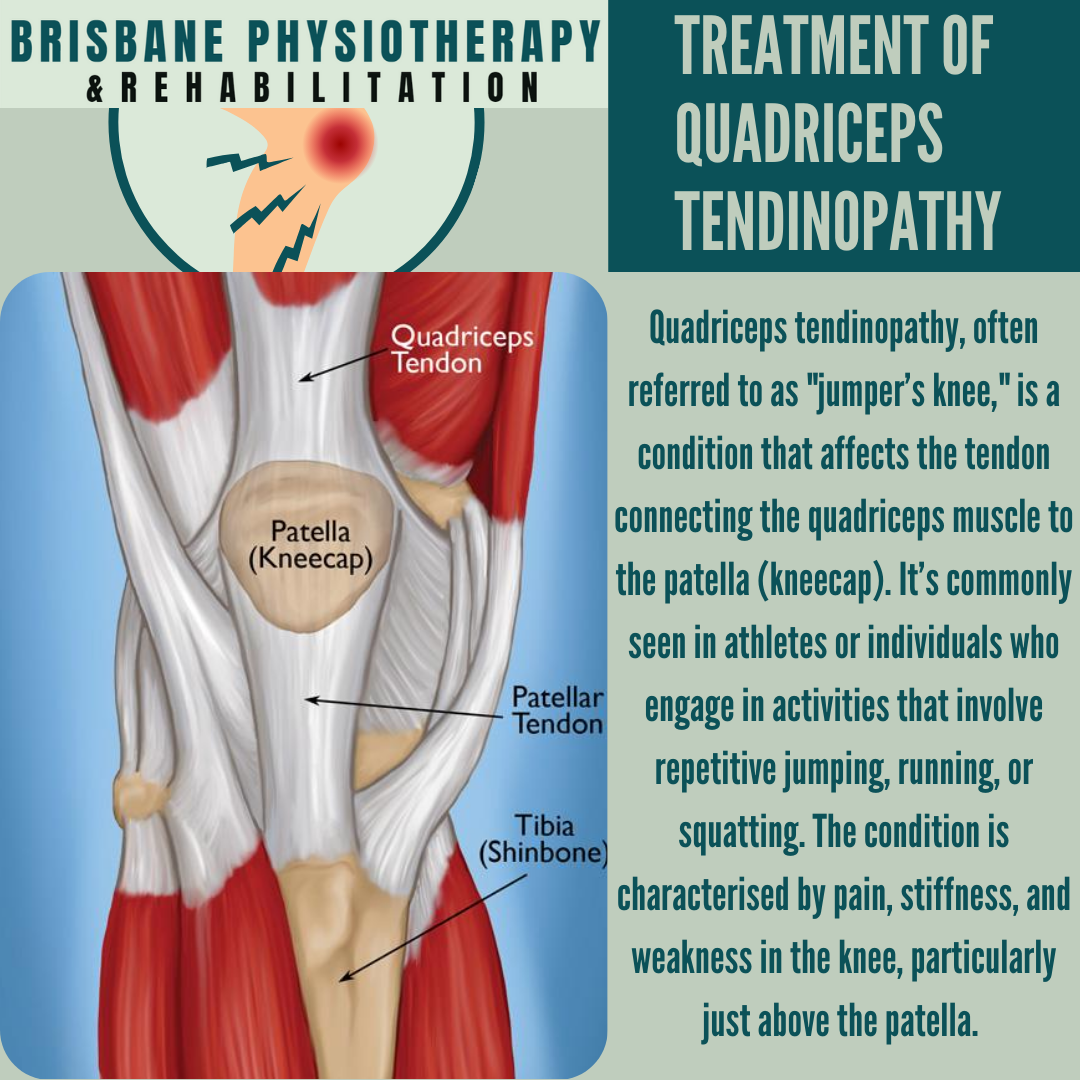
Treatment of Quadriceps Tendinopathy: How your Physiotherapist can help
Quadriceps tendinopathy, often referred to as "jumper’s knee," is a condition that affects the tendon connecting the quadriceps muscle to the patella (kneecap). It’s commonly seen in athletes or individuals who engage in activities that involve repetitive jumping, running, or squatting. The condition is characterised by pain, stiffness, and weakness in the knee, particularly just above the patella. While quadriceps tendinopathy can be debilitating, a physiotherapist can play a critical role in managing and treating the condition, helping to alleviate pain and restore function.
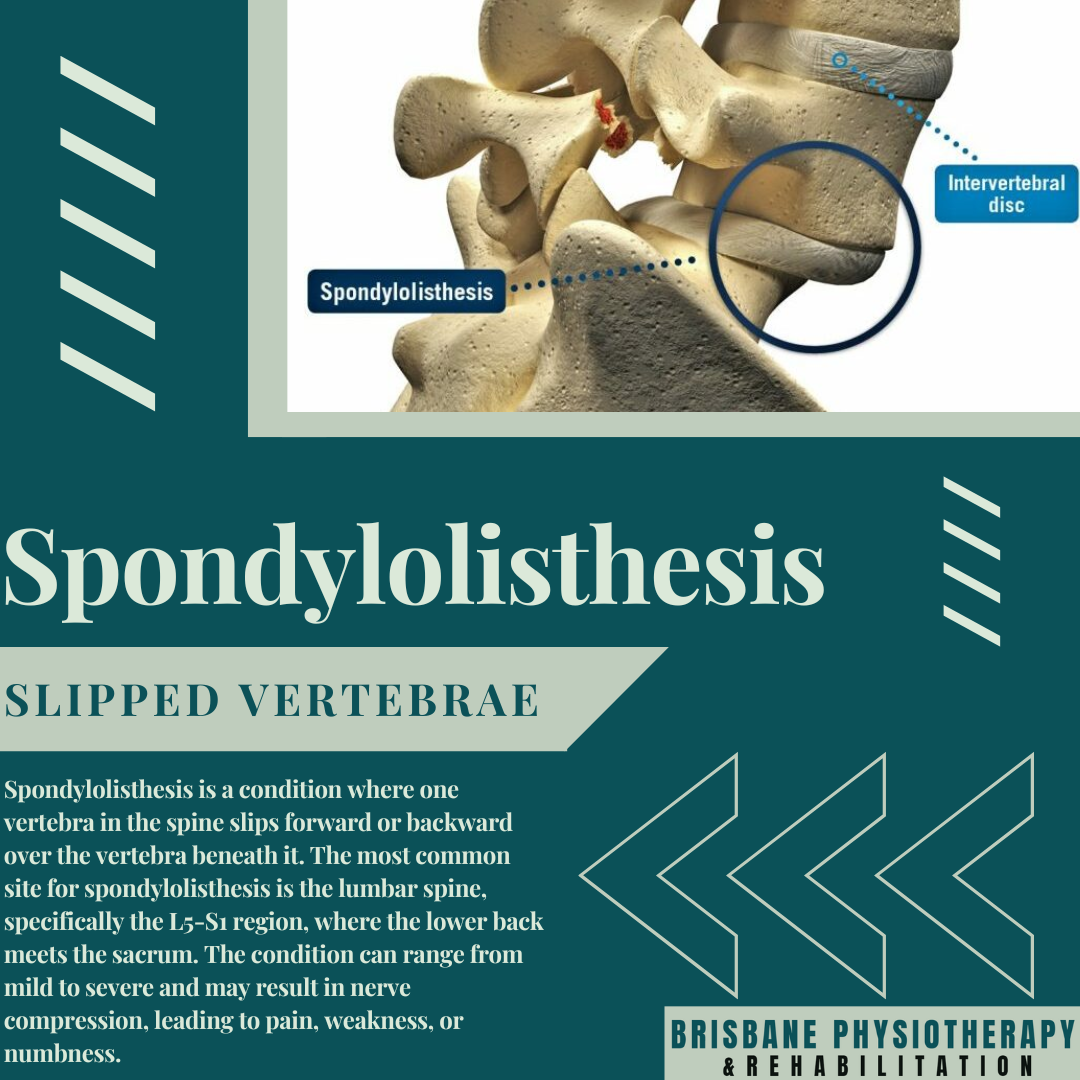
Spondylolisthesis: Causes, Symptoms, Treatments, and Outcomes
Spondylolisthesis is a spinal condition that occurs when one vertebra in the spine slips out of its proper position over the vertebra below it. This can cause a range of symptoms, from mild discomfort to significant pain, and in some cases, it can even lead to nerve damage. While this condition can affect people of all ages, it’s most common in individuals over the age of 50 or those who have experienced an injury or repetitive stress on the lower back. If you’re dealing with spondylolisthesis, a physiotherapist can play a crucial role in helping you manage the condition and alleviate symptoms.
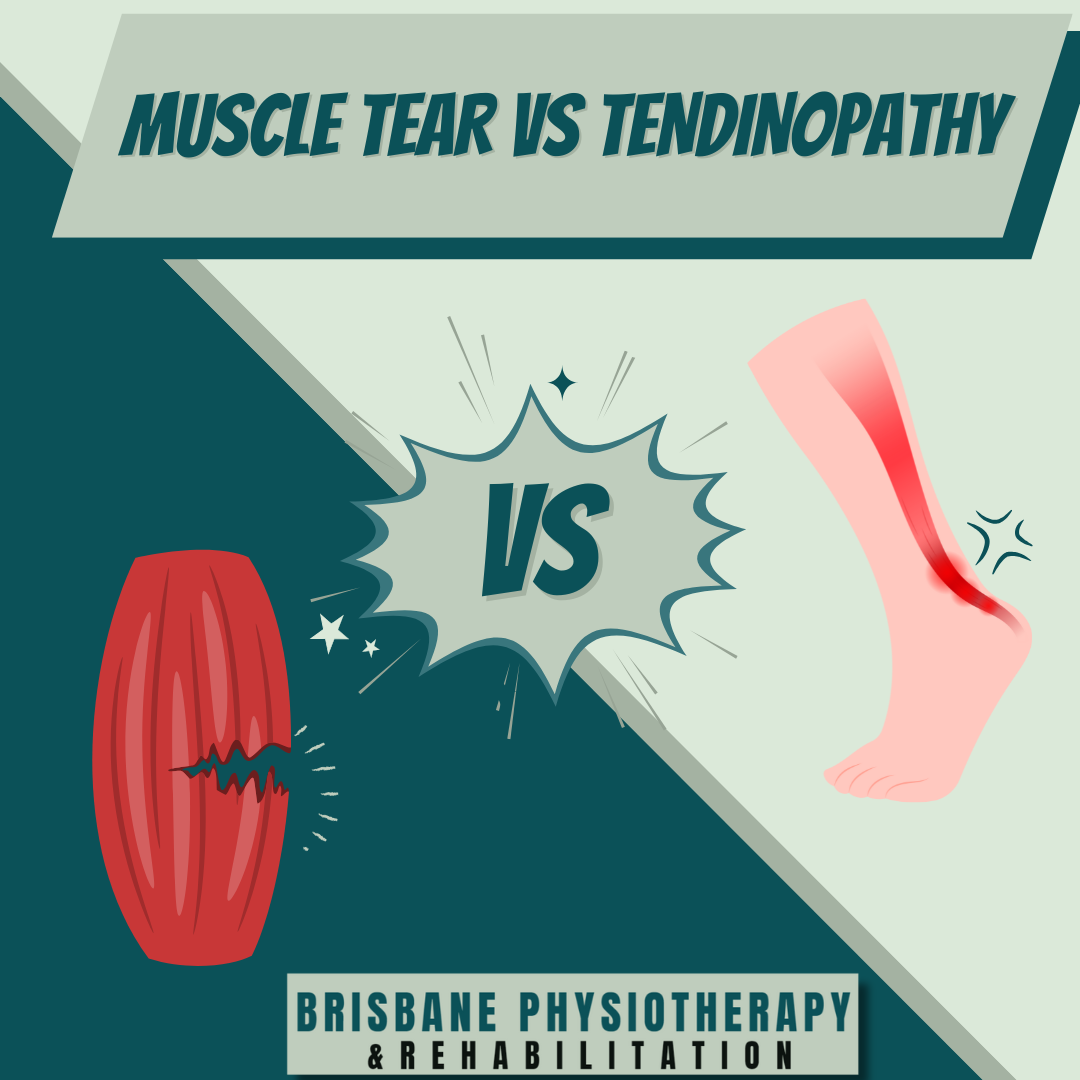
Muscle Tears vs Tendinopathy
When it comes to musculoskeletal injuries, two common conditions that often get confused are muscle tears and tendinopathy. Both can cause pain, limit movement, and affect overall function, but they differ in their causes, symptoms, and treatments. Understanding these differences can help you take the right steps towards recovery and avoid further injury.
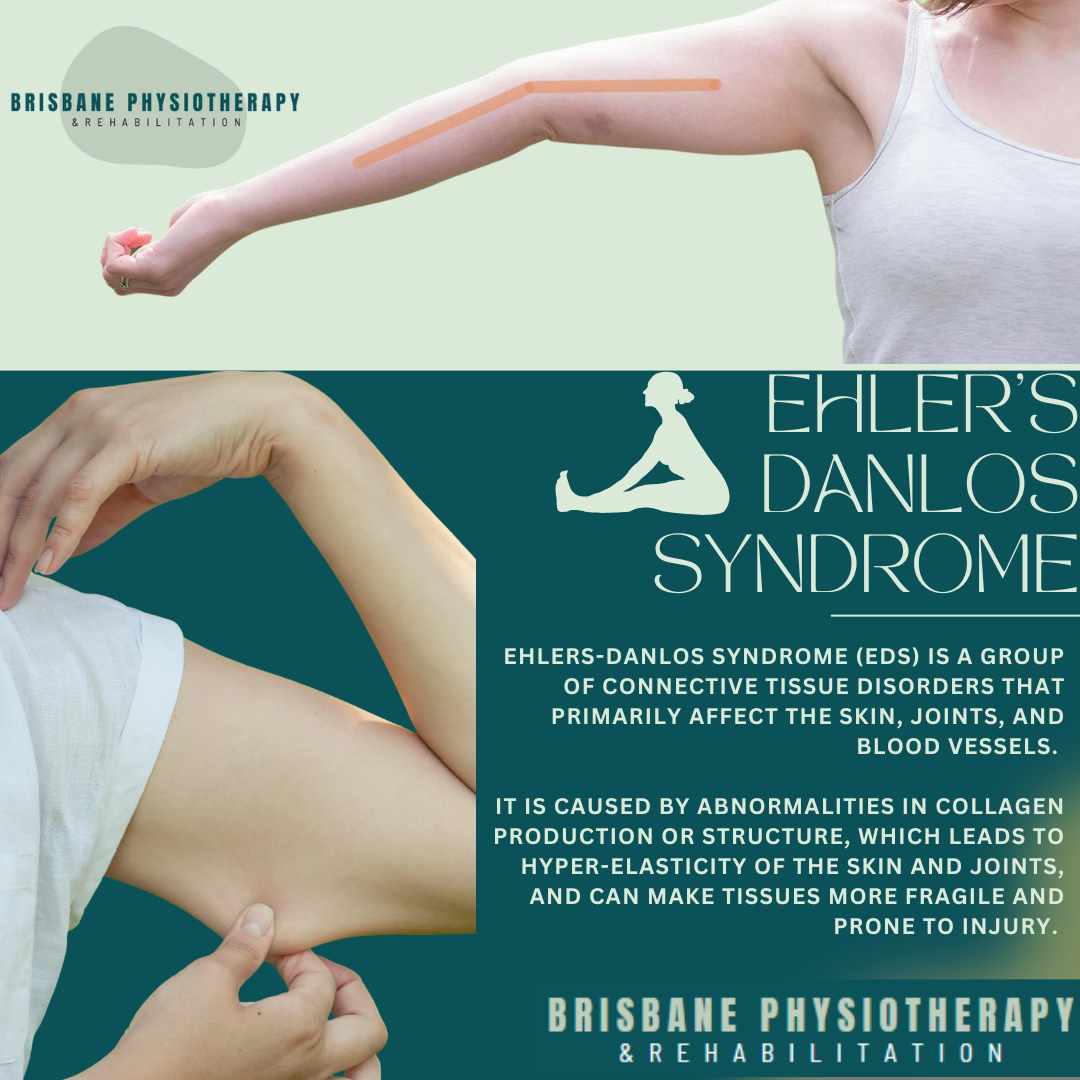
Ehlers-Danlos Syndrome and How a Physiotherapist Can Help
Ehlers-Danlos Syndrome (EDS) is a group of connective tissue disorders that affect the skin, joints, and blood vessel walls, causing them to be more flexible than normal. This condition, though rare, is hereditary and can present in a variety of forms, with the hypermobile type being the most common. People with EDS often experience joint hypermobility, fragile skin, and a tendency to bruise easily. Because of the diverse nature of the syndrome, it can be difficult to diagnose, and its symptoms vary widely, making it a complex condition to manage.